Why Game Cheats Get Detected: Common Anti-Cheat Signals Explained
Many players search for why cheats get detected after a ban wave, game update, or anti-cheat patch. The answer is usually not one simple trick. Modern anti-cheat systems combine technical signals, gameplay telemetry, account history, and manual investigation.
This article explains detection signals at a high level for education and risk awareness. It is not a guide to evading anti-cheat systems.
Known signatures
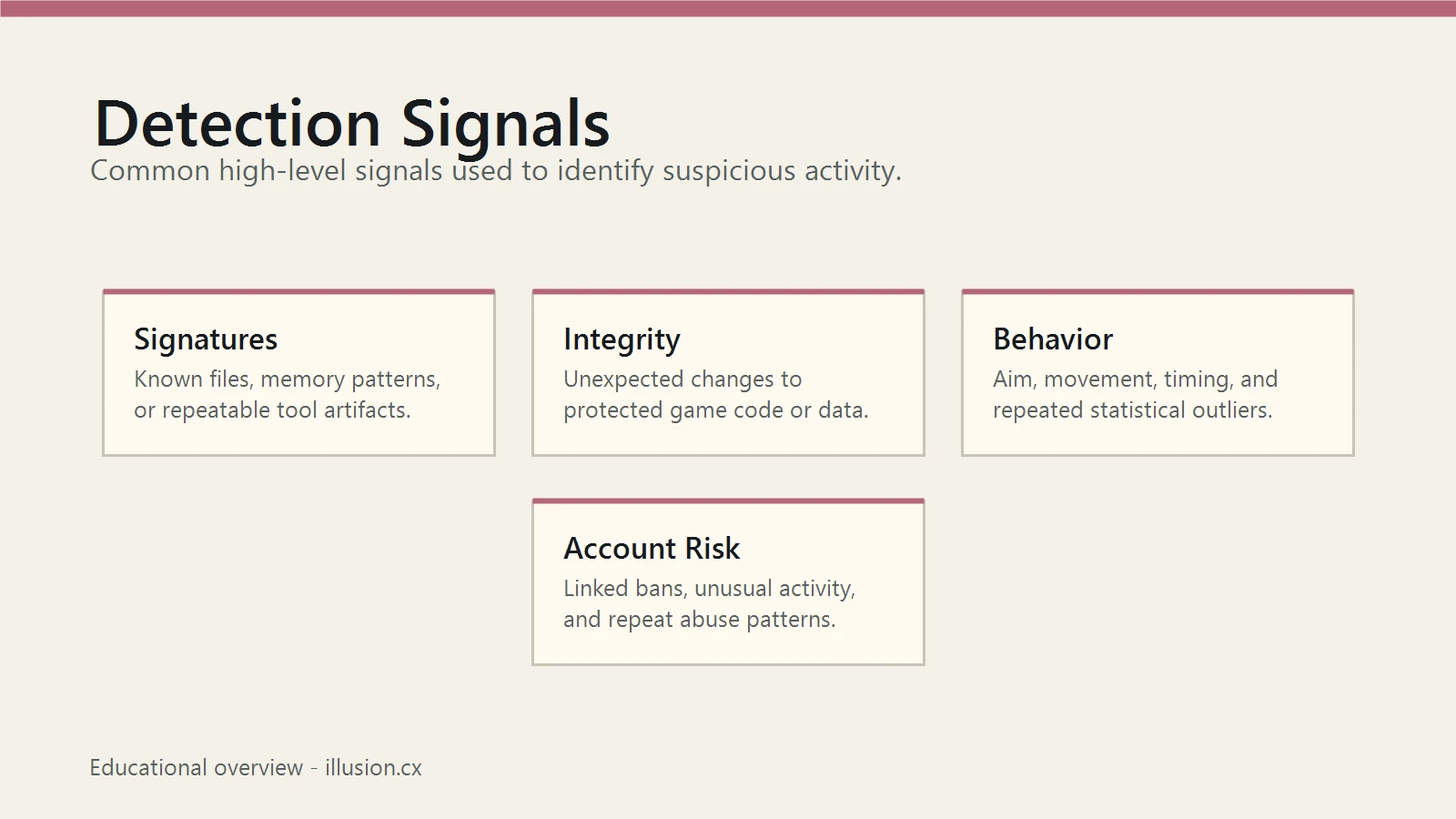
Signature detection compares files, memory regions, or behavior against known cheat fingerprints. This can include byte patterns, file hashes, loaded modules, configuration artifacts, or other repeatable identifiers. Signature detection is especially effective against reused public tools and poorly maintained software.
Integrity checks
Integrity checks ask whether the game is still in the expected state. If important files, memory regions, functions, or runtime values are changed unexpectedly, the anti-cheat may flag the session. Integrity systems are one reason game updates can quickly change the risk profile for third-party tools.
Unauthorized interaction with the game
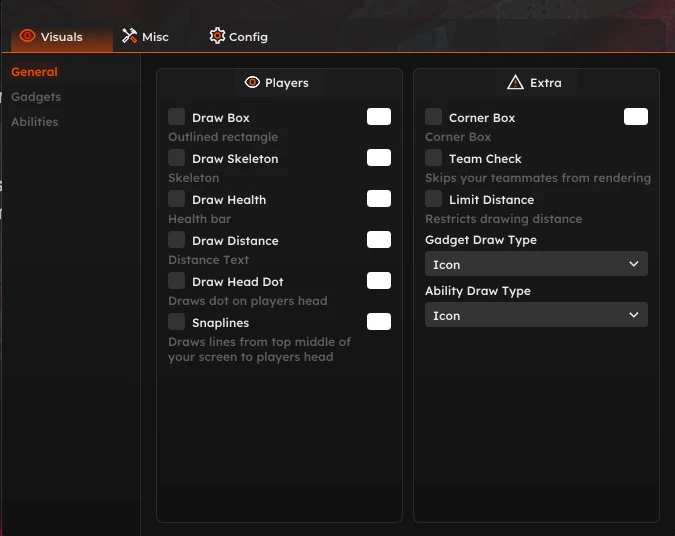
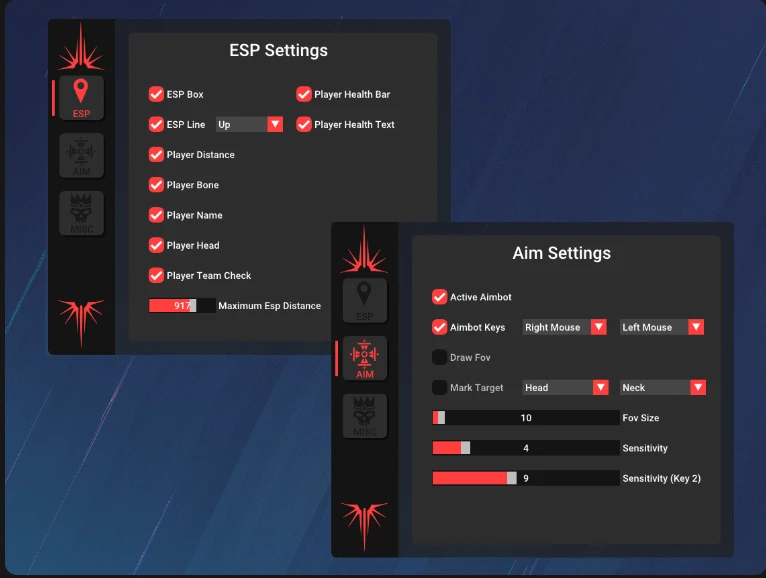
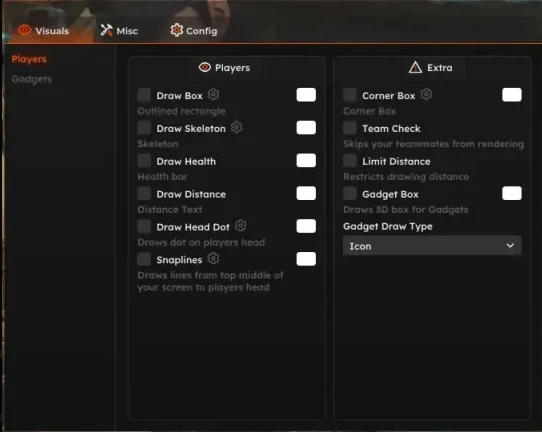
Anti-cheat systems often watch for processes or drivers attempting to open handles, inspect memory, inject modules, alter input, draw overlays, or interfere with protected parts of the game. Even when a tool does not visibly modify the game, the way it interacts with the game environment can create a signal.
Behavioral analytics
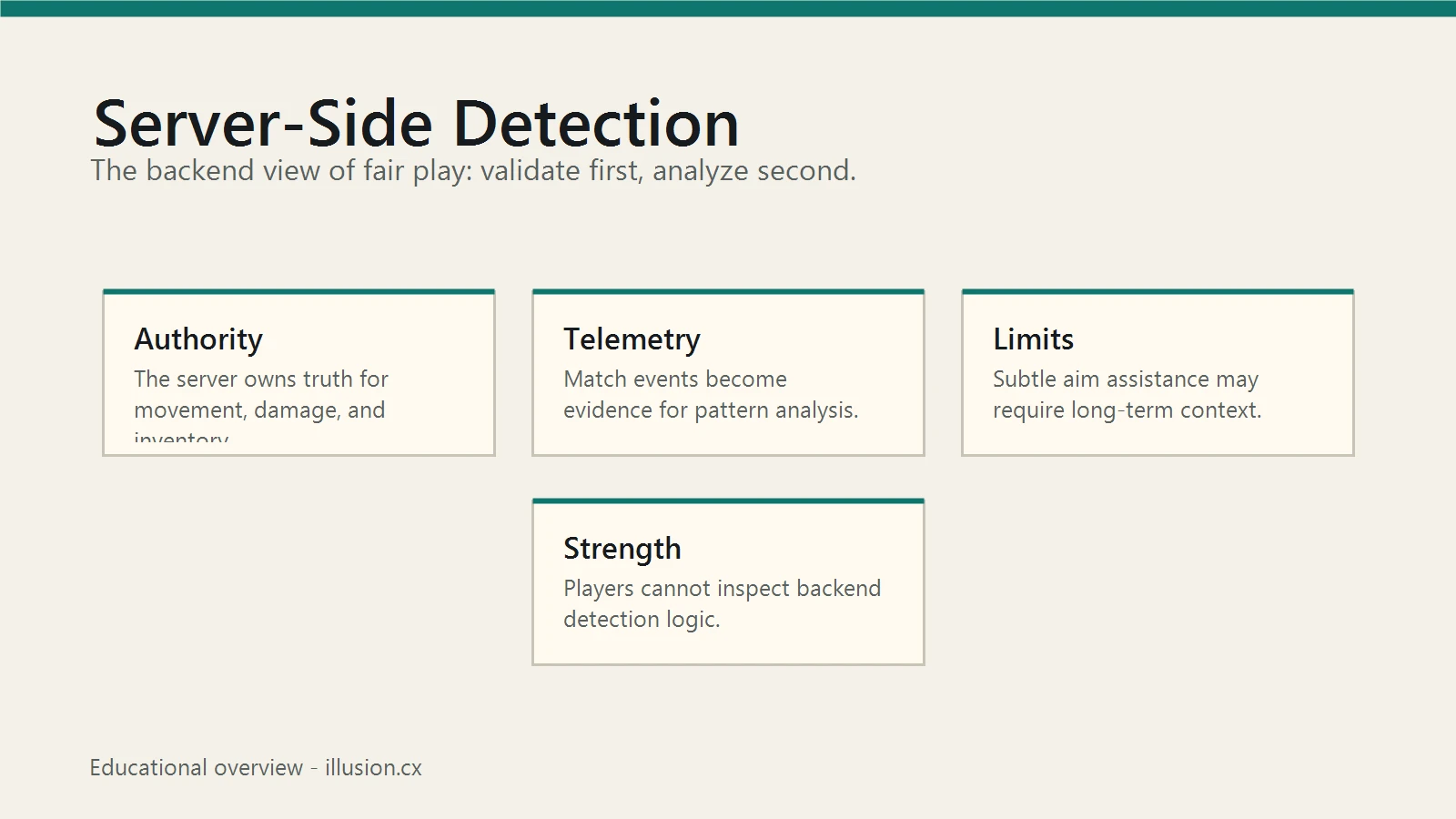
Server-side systems can detect suspicious gameplay patterns. These may include repeated unnatural aim timing, impossible reaction windows, abnormal tracking through walls, unrealistic movement, unusual headshot distribution, or combat behavior that does not fit legitimate play. One good match is rarely enough. Patterns over time matter.
Account and device risk
Anti-cheat enforcement can also consider account age, linked accounts, payment patterns, ban history, device reputation, unusual login geography, and repeated association with flagged accounts. This does not mean every suspicious account is guilty, but it helps investigators prioritize risk.
Ban waves
Developers sometimes delay enforcement. Instead of banning instantly, they collect evidence and act in waves. This makes it harder for cheat developers to know exactly which detection triggered the ban. It also lets anti-cheat teams remove many accounts at once after confidence is high.
Why detection changes over time
Anti-cheat systems update constantly. A setup that appears undetected can become risky after a signature update, backend model change, driver update, game patch, manual investigation, or new telemetry source. No third-party modification can guarantee permanent safety.
Bottom line
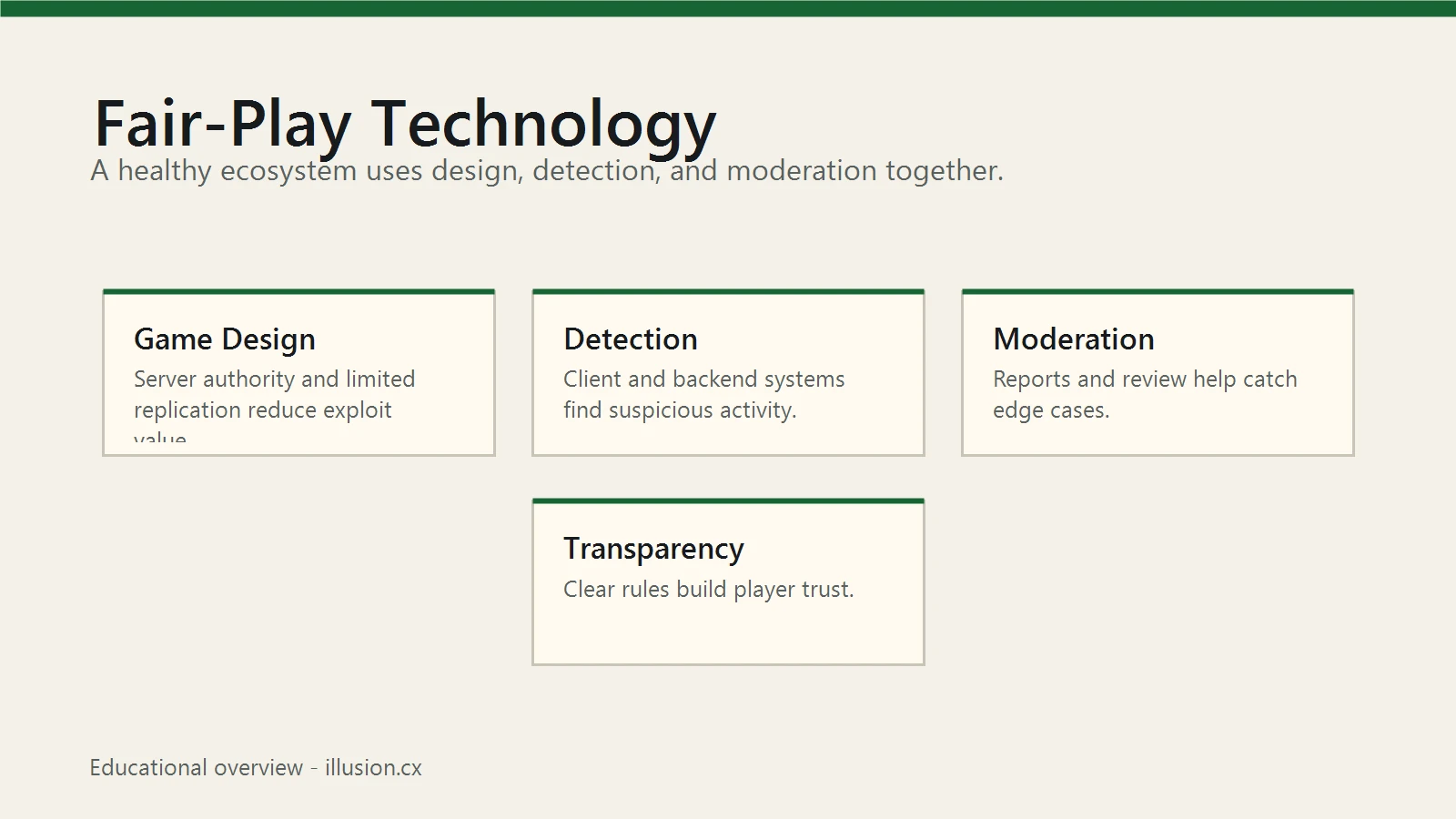
Game cheats get detected because anti-cheat systems look at the whole picture: software behavior, memory integrity, gameplay patterns, account history, and repeatable evidence. The more layers a game uses, the harder unfair play becomes to hide.
Continue exploring: For more educational resources and shop information, visit the Illusion homepage.