How Anti-Cheat Software Works in Modern PC Games
Anti-cheat software has become one of the most important systems behind competitive PC gaming. Whether a game uses Easy Anti-Cheat, BattlEye, Vanguard, RICOCHET, VAC, FACEIT Anti-Cheat, or its own custom protection, the goal is the same: protect fair matches from software that gives players an unfair advantage.
This guide explains the main ideas behind anti-cheat technology at a high level. It is written for players who want to understand the landscape, not as a guide to bypassing detection or evading enforcement.
What anti-cheat software is looking for
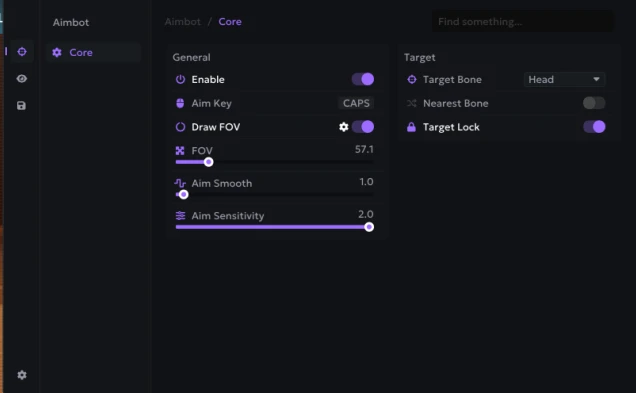
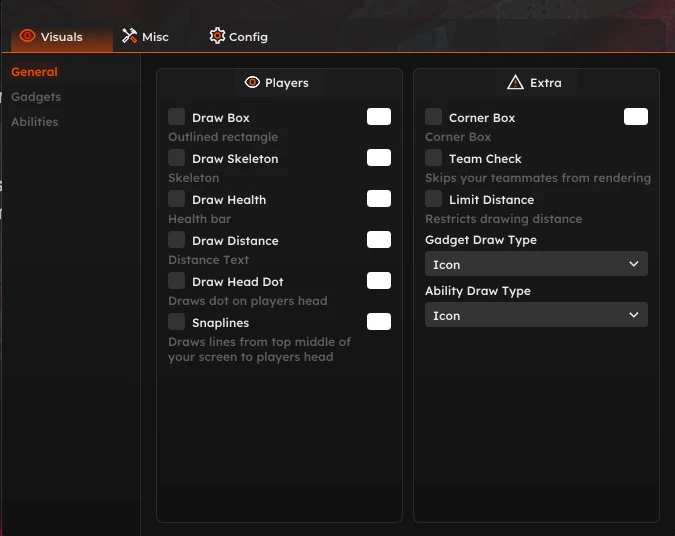
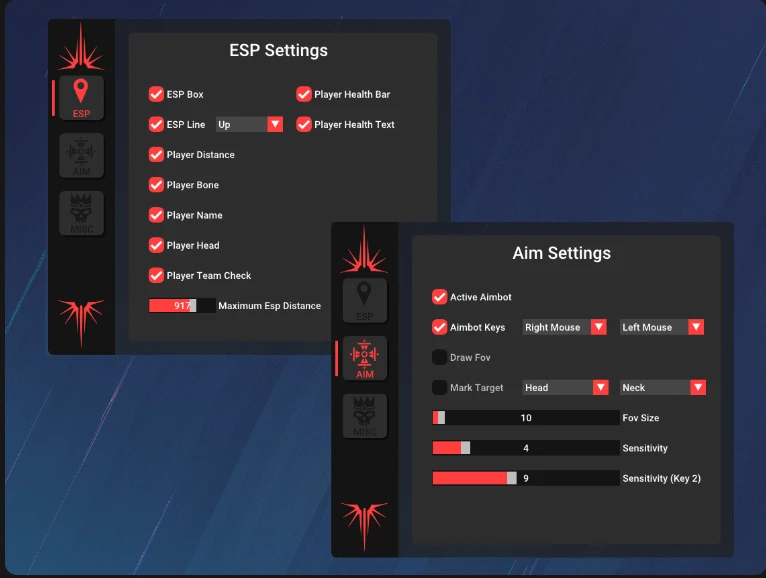
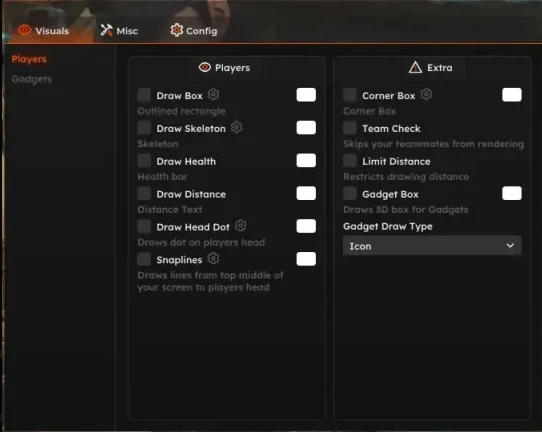
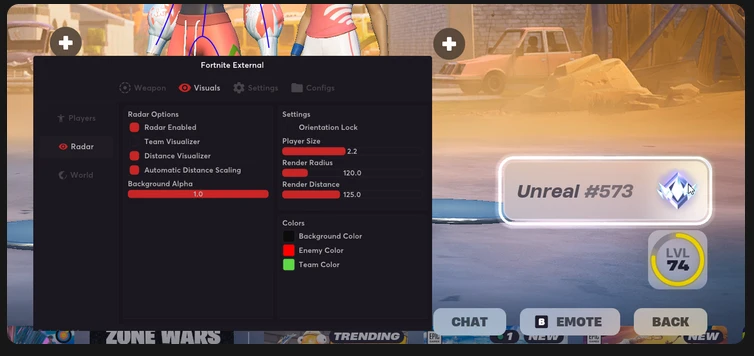
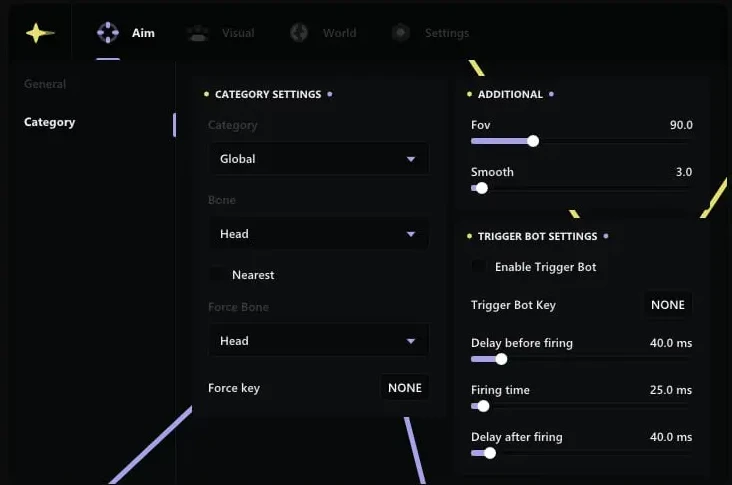
Most cheating software tries to change what the player can see, how accurately they can aim, how fast they can react, or what information they receive from the game client. Common examples include aimbots, wallhacks, ESP overlays, recoil scripts, triggerbots, radar tools, macro automation, and memory modification tools.
Anti-cheat systems look for signs that the game environment is no longer clean. These signs can include modified game files, unexpected memory changes, unauthorized overlays, suspicious process behavior, known cheat signatures, unusual input patterns, abnormal gameplay statistics, or account activity that does not match legitimate play.
Client-side anti-cheat
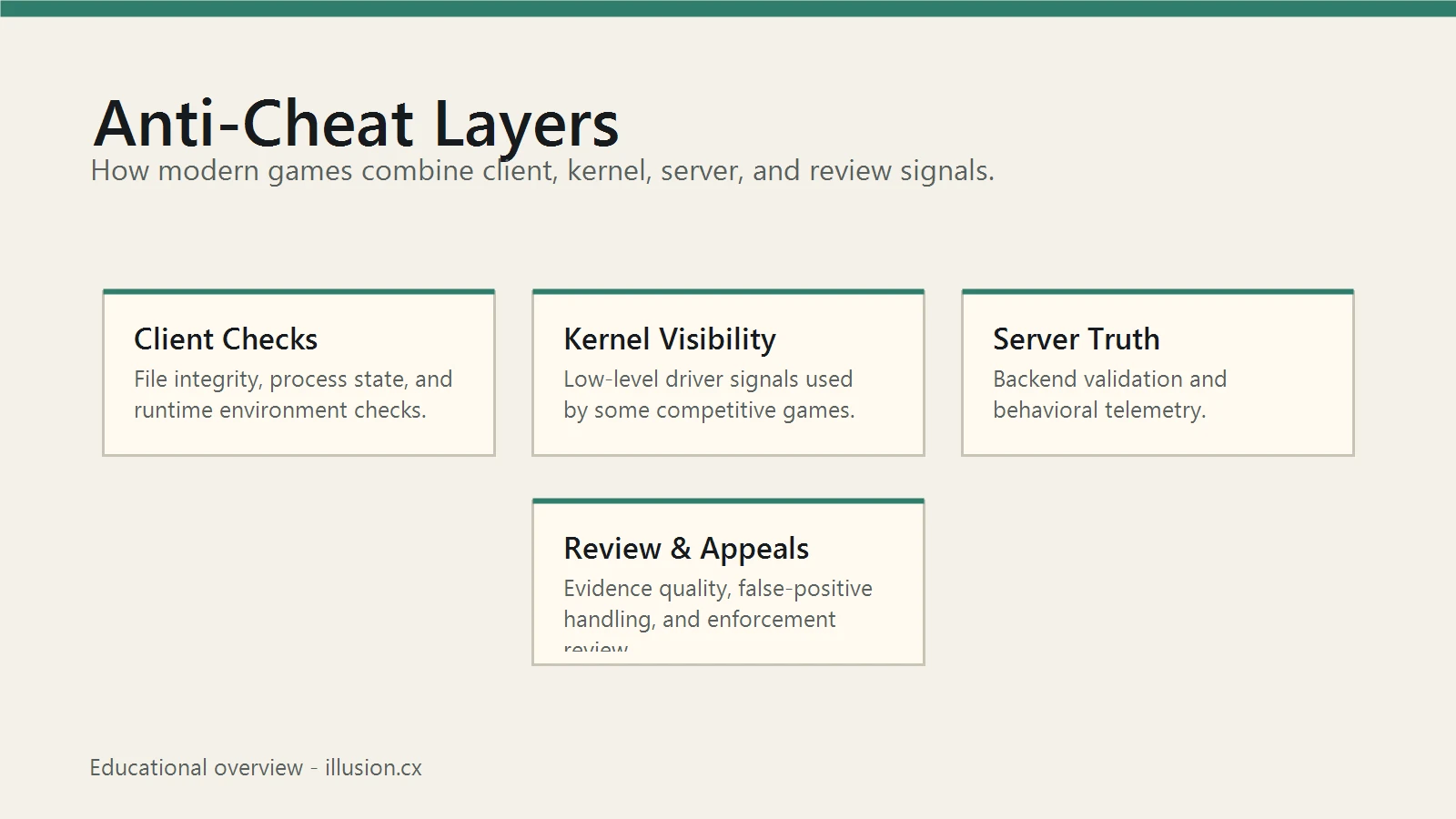
Client-side anti-cheat runs on the player's computer. It can inspect the game process, verify loaded modules, check file integrity, watch for suspicious handles, and detect known tools that attempt to interact with the game. Client-side protection is useful because many cheats operate locally, but it also creates privacy and performance concerns because the software needs visibility into the player's system.
Kernel-level anti-cheat
Kernel-level anti-cheat runs with deeper privileges than normal applications. Systems like Vanguard, FACEIT Anti-Cheat, BattlEye, Easy Anti-Cheat, and RICOCHET use this deeper access in different ways to protect the game from low-level manipulation. The benefit is stronger visibility into advanced threats. The tradeoff is that players and developers must place a high level of trust in the anti-cheat vendor.
Server-side detection
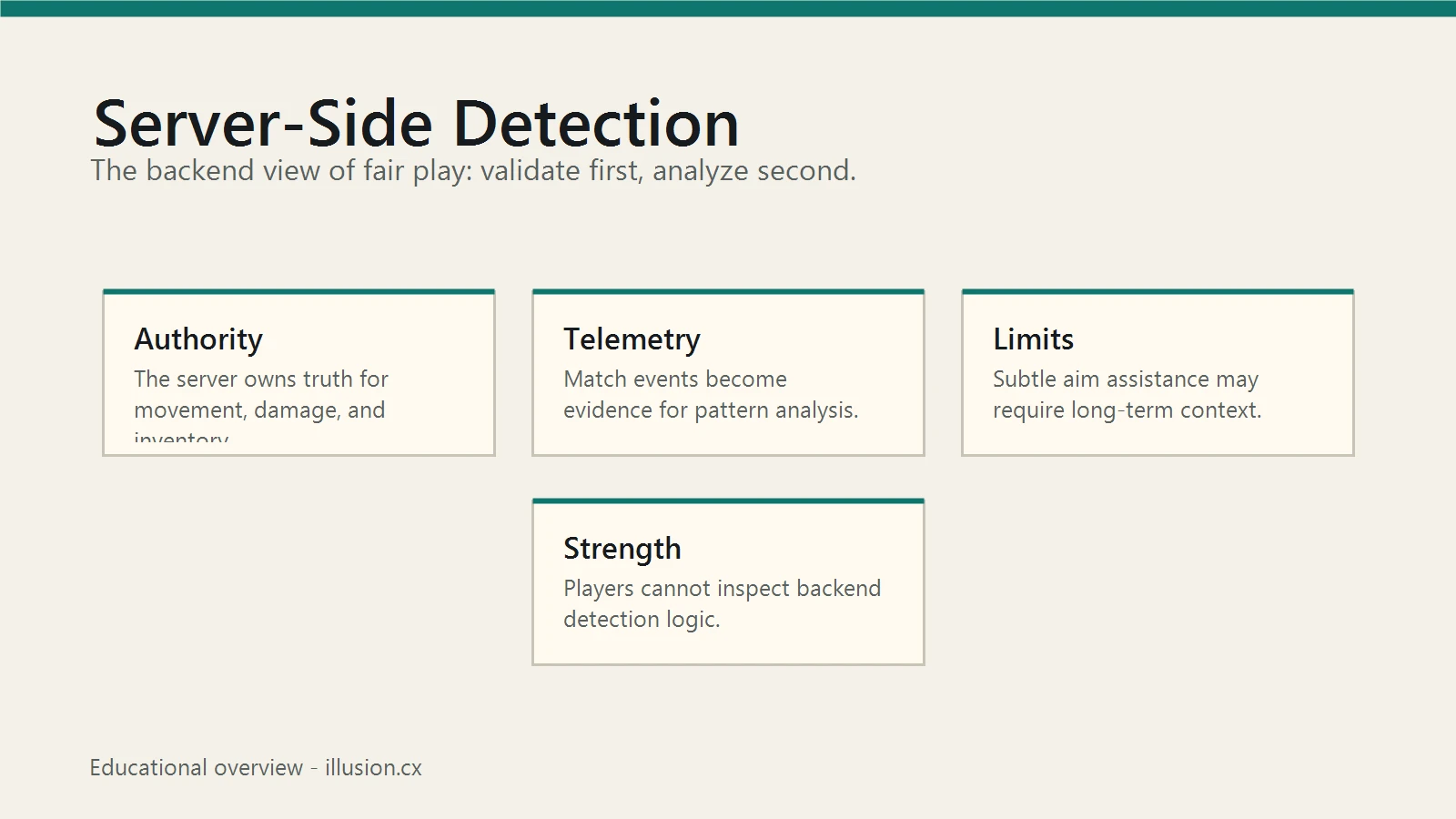
Server-side anti-cheat analyzes what happens in matches. It can review movement, aim behavior, reaction timing, shot accuracy, line-of-sight events, suspicious economy actions, and repeated statistical outliers. Server-side detection is powerful because players cannot directly inspect or modify the detection logic running on the backend.
Why no anti-cheat is perfect
Anti-cheat is an arms race. Cheat developers adapt, anti-cheat teams respond, and detection models change over time. A tool that appears safe one week can become detectable after a game patch, driver update, manual review, signature update, or server-side investigation.
The most important takeaway is simple: anti-cheat software combines many signals. Modern detection is rarely based on one obvious flag. It is usually a layered system that builds confidence over time.
FAQ
Can anti-cheat detect every cheat? No. The goal is to raise the cost of cheating, detect known abuse, and reduce unfair play at scale.
Is kernel anti-cheat always running? It depends on the product. Some systems load at boot, while others load only when the protected game starts.
Are server-side systems enough by themselves? For some games, server authority and analytics provide strong protection. For high-stakes competitive PC games, studios often combine server-side and client-side systems.
Continue exploring: For more educational resources and shop information, visit the Illusion homepage.