Client-Side vs Server-Side Anti-Cheat: What Actually Stops Cheating?
Every competitive multiplayer game has to answer the same security question: should cheat detection happen on the player's computer, on the game server, or both? The real answer is usually both. Client-side and server-side anti-cheat solve different problems, and the strongest systems use them together.
What client-side anti-cheat does
Client-side anti-cheat runs locally on the gaming PC. Its job is to watch the environment around the game. It may verify game files, check memory integrity, detect unauthorized modules, look for known cheat signatures, inspect overlays, and monitor processes that attempt to interact with the game.
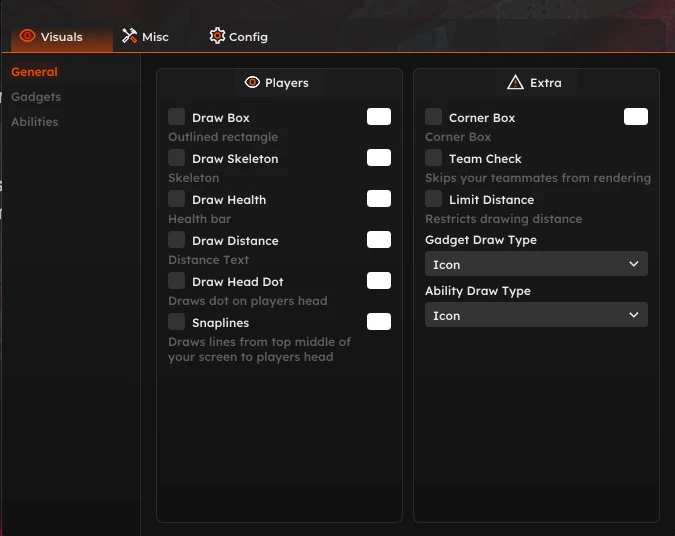
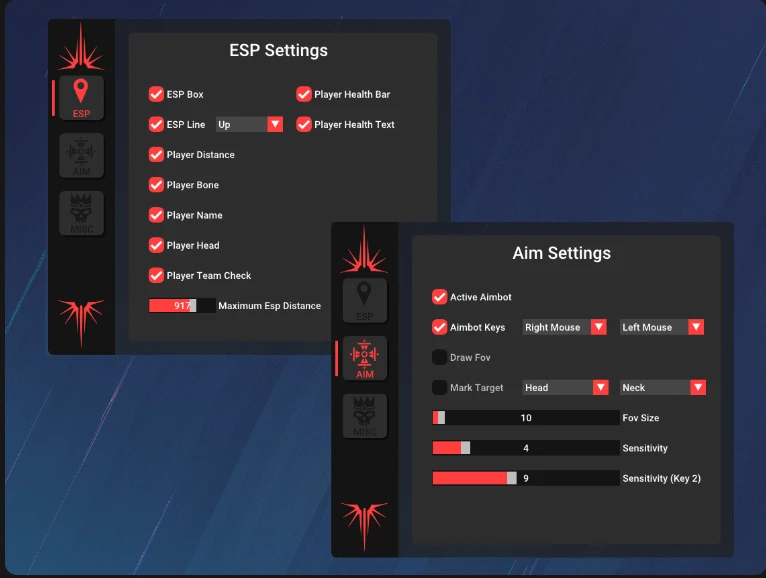
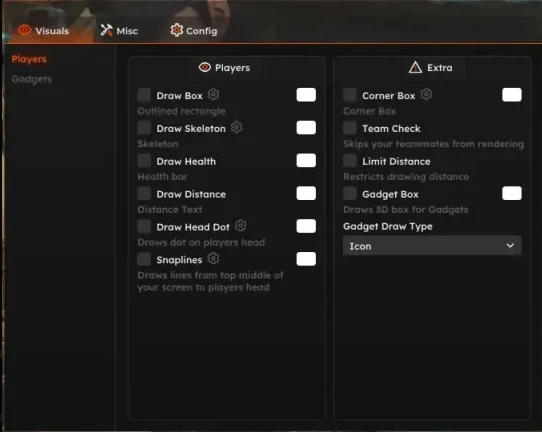
This approach is valuable because many cheats try to read or modify local game memory. Aimbots, wallhacks, ESP tools, recoil scripts, injected DLLs, and external memory tools often leave traces on the client. Detecting those traces locally can stop abuse before it affects a match.
The limits of client-side protection
The weakness is trust. The client is controlled by the player, which means attackers can study it, tamper with it, and search for ways to hide. This is why anti-cheat vendors keep detection details private and update their systems often. The more a detection method is exposed, the faster it can be adapted against.
What server-side anti-cheat does
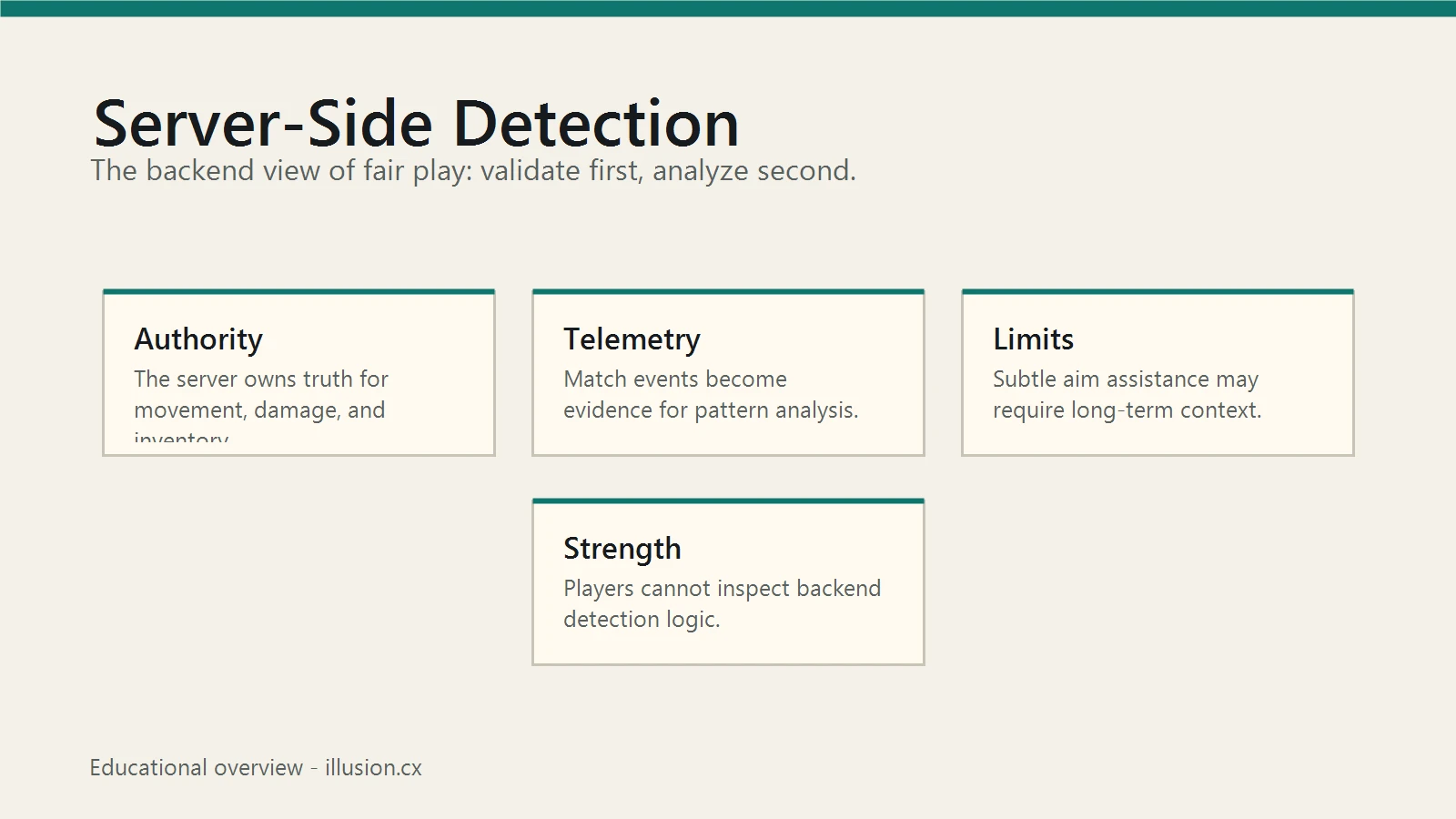
Server-side anti-cheat looks at match data from the backend. It can analyze movement, aim timing, combat accuracy, damage events, economy actions, line-of-sight interactions, and other gameplay signals. Because this detection runs on infrastructure controlled by the developer, it is harder for players to inspect or modify.
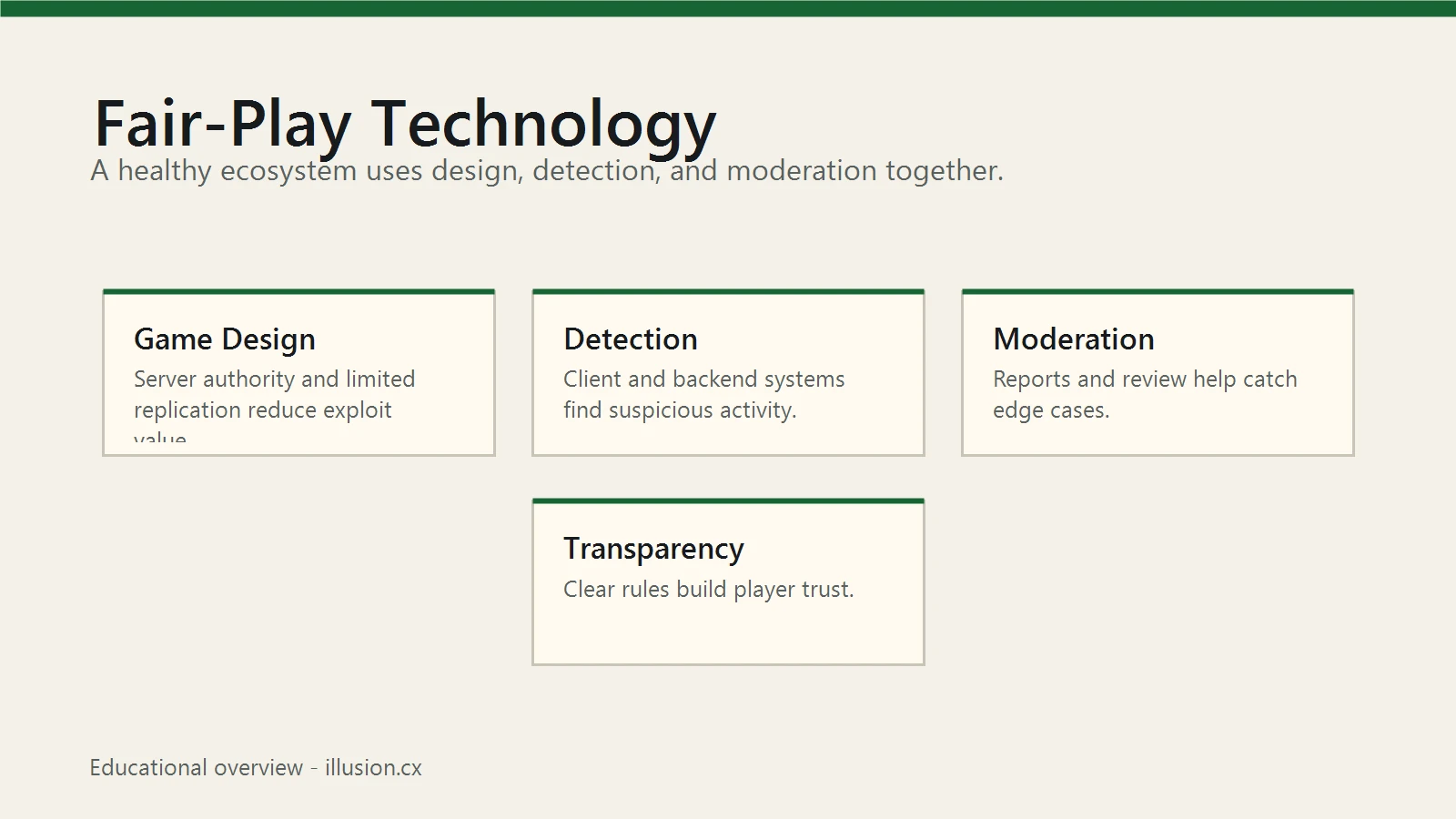
Server-side validation also prevents entire categories of abuse. If the server owns the truth, the client cannot simply claim impossible movement, illegal damage, duplicated items, or unrealistic state changes. A well-designed backend makes cheating harder before detection even begins.
Why layered anti-cheat wins
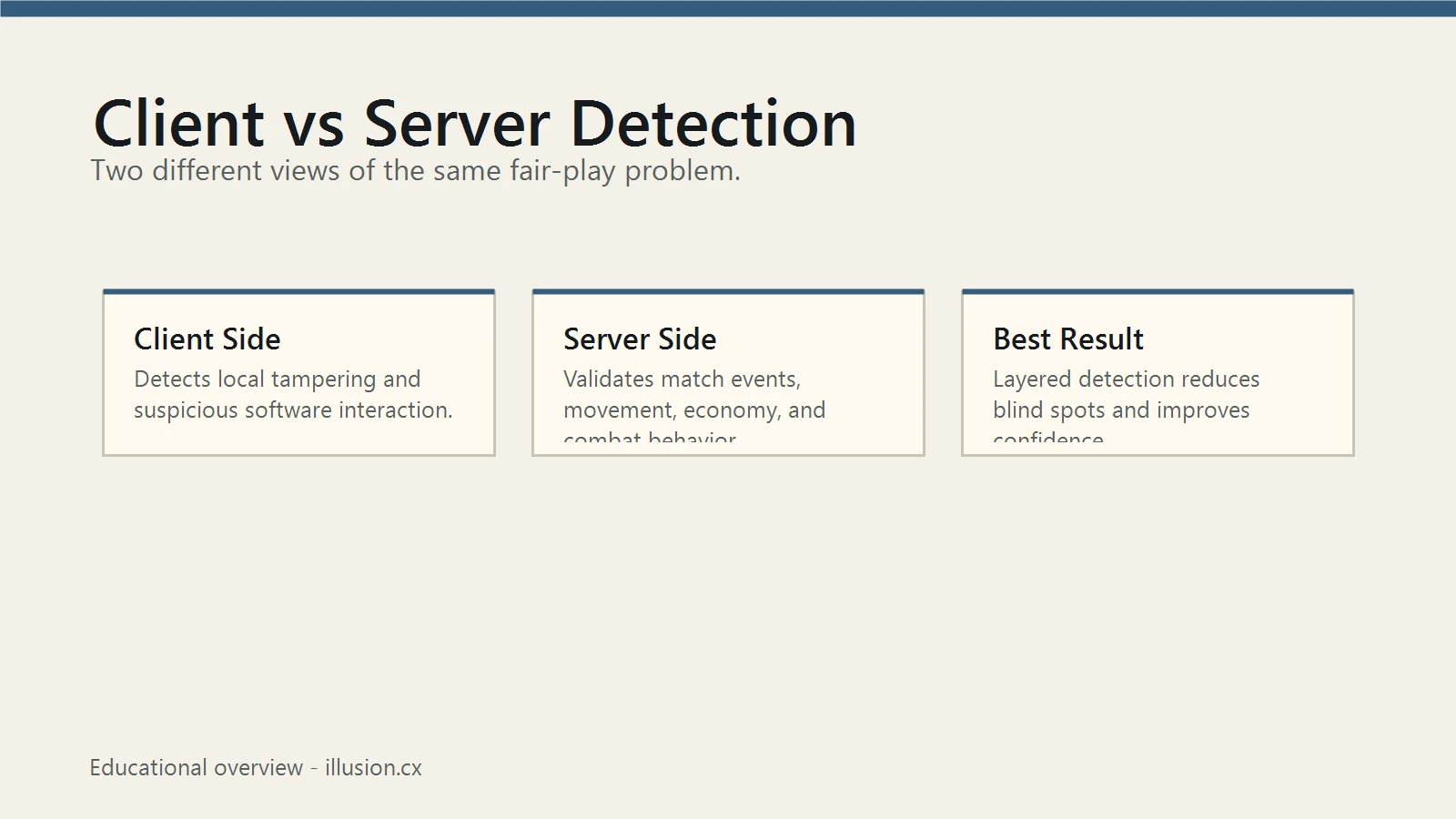
Client-side systems are good at finding suspicious software. Server-side systems are good at finding suspicious behavior. One catches technical tampering; the other catches gameplay that does not make sense. Together, they create a much stronger picture than either system alone.
Common detection signals
Client-side signals can include modified files, unauthorized handles, injected modules, debugger artifacts, memory patches, overlay anomalies, and known tool fingerprints. Server-side signals can include impossible movement, abnormal reaction timing, repeated pre-aim behavior, suspicious accuracy curves, and account patterns that suggest automation or boosting.
Privacy and performance tradeoffs
Players often worry about privacy, especially with kernel-level anti-cheat. Developers have to balance security with transparency, system stability, and user trust. The best implementations explain when the anti-cheat runs, what it monitors, and how players can report false positives.
Bottom line
Client-side and server-side anti-cheat are not rivals. They are different layers in the same defense model. Client-side tools make cheating harder to run. Server-side systems make cheating harder to hide. Modern game security needs both.
Continue exploring: For more educational resources and shop information, visit the Illusion homepage.